


The Oscars Glow-Up: Cosmetic Surgeons Reveal the Real Secrets Behind Red Carpet Beauty


Every year at the Oscars, Hollywood’s biggest stars like Emma Stone, Timothée Chalamet, Jennifer Lawrence and Demi Moore, glide down the red carpet looking impossibly refreshed, glowing skin, sculpted cheekbones, sharp jawlines and not a wrinkle in sight.
But according to cosmetic surgeons, that “effortless” beauty is rarely effortless.
Behind the cameras and couture gowns is often a carefully orchestrated timeline of treatments designed to enhance appearance while remaining completely invisible.
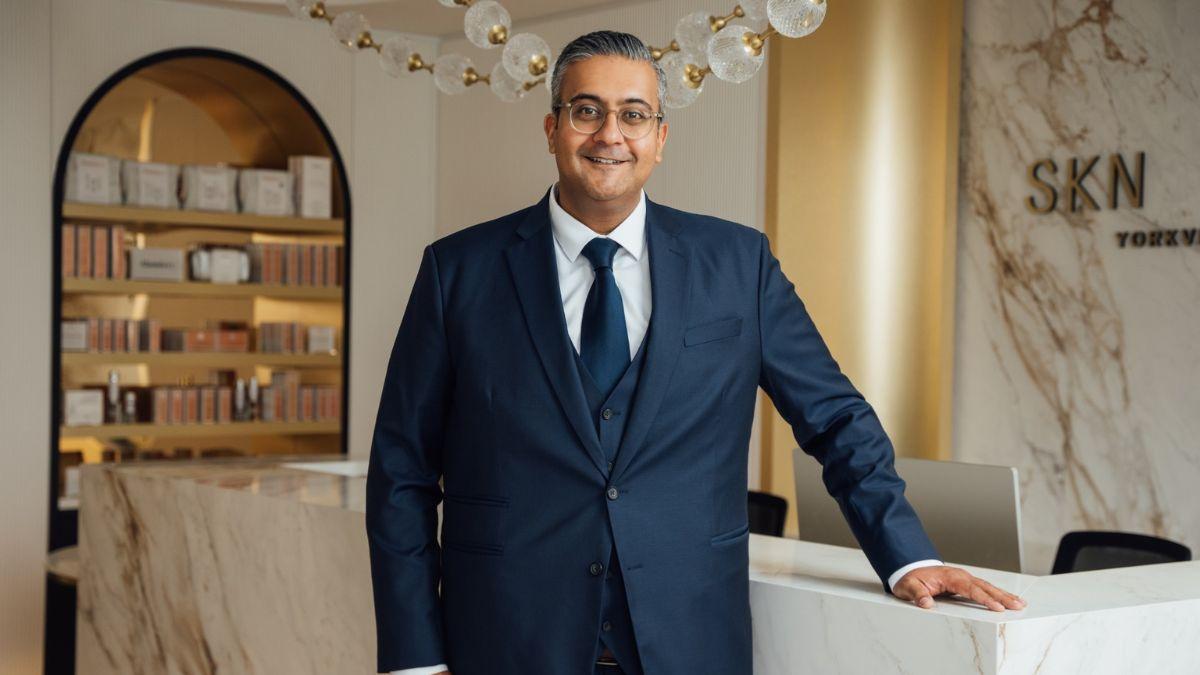
“The best work is the least obvious,” said Toronto plastic surgeon Dr. Asif Pirani of Toronto Plastic Surgery Center, whose practice focuses exclusively on cosmetic procedures. “Most celebrity aesthetics aren’t about one dramatic procedure. It’s subtle, staged maintenance, skin quality first, then structure, then refinement.”
In the weeks leading up to major events like the Oscars, many patients opt for non-invasive procedures that improve skin quality while allowing them to remain camera-ready.
Neuromodulators like Botox soften forehead lines, frown lines and crow’s feet, while hyaluronic acid fillers restore volume and light reflection in areas such as the cheeks or lips.
“People getting red carpet ready usually focus on treatments that look natural on camera and have minimal downtime,” Pirani explained. “Botox is typically best done about two weeks before an event, while fillers and energy-based treatments are scheduled earlier to allow swelling or bruising to settle.”
Skin treatments also play a major role. IPL photofacials help correct redness and sun damage, while fractional lasers and RF microneedling improve tone, pores and texture over time. Closer to an event, treatments like Hydrafacials or light chemical peels can deliver a quick brightness boost.
But while injectables and skin treatments dominate the conversation, surgeons say some of the most powerful celebrity transformations still happen quietly in the operating room.
“Many of the most undetectable procedures restore youthful structure without changing someone’s identity,” Pirani said. “Things like eyelid surgery, conservative facelifts or neck contouring can make a huge difference once they heal.”
For Dr. Anthony Berlet of Berlet Plastic Surgery, a plastic surgeon whose reputation spans northern New Jersey to Manhattan’s Fifth Avenue, that natural philosophy is essential.
A double board-certified surgeon with more than three decades of experience, Berlet views cosmetic surgery as equal parts science and artistry.
“The classic line from Mies van der Rohe is ‘form follows function,’” Berlet said. “When I rebuild a nose now, it’s not just shaving cartilage and hoping for the best. It’s about structure and continuity. It’s a sculptural process.”
Berlet performs multiple facelifts and eyelid surgeries each week and says today’s patients overwhelmingly want subtle rejuvenation rather than dramatic change.
“Today’s procedures can significantly refresh a face without dramatically altering someone’s natural identity,” he said. “You should still look like yourself, just rested.”
The patient demographic is also evolving. Once dominated by women, cosmetic procedures are increasingly attracting male clients.
“About 20 percent of my patients are men now,” Berlet said. “Eyes are big, those tired bags, but it’s also the jawline, the neck. Men are getting comfortable with the idea that self-care isn’t just for women.”
Across the country in Las Vegas, Dr. Mustafa Ahmed, cosmetic surgeon and founder of Las Vegas Body Sculpting and Aesthetic, sees similar shifts, but with a focus on body procedures.
“When people feel good about how they look, they feel stronger and more confident in every part of their lives,” Ahmed said.
Ahmed specializes in body contouring procedures including liposuction, tummy tucks and breast surgery procedures that remain among the most requested nationwide.
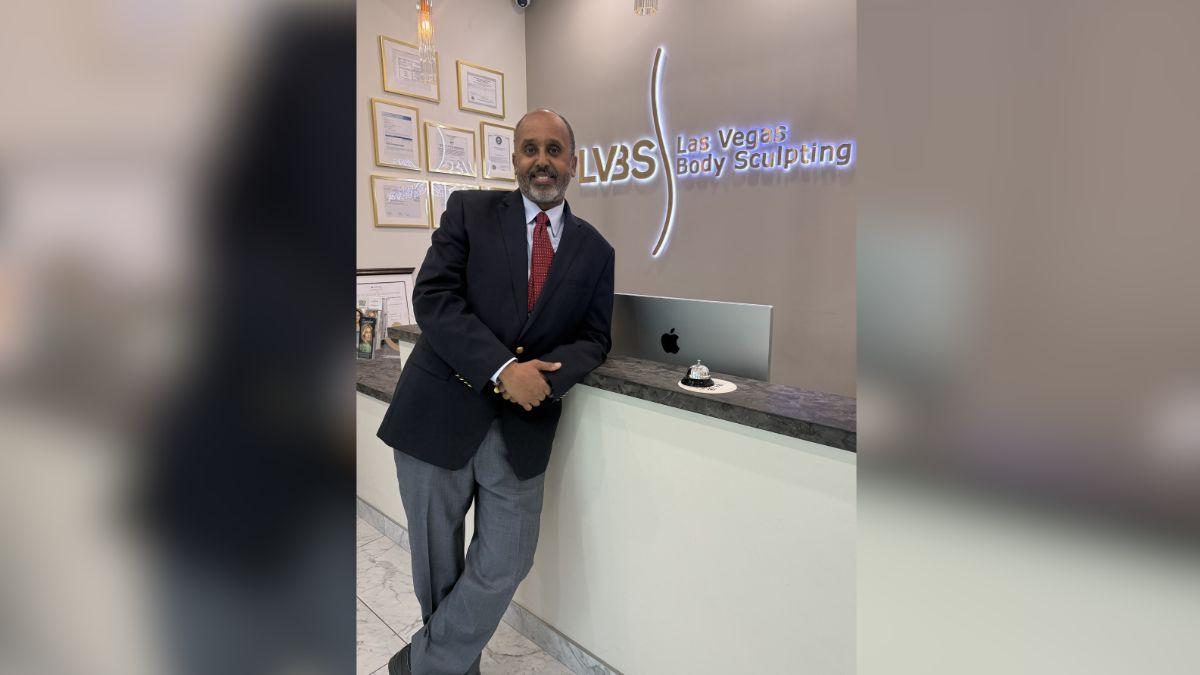
“I do liposuction, tummy tuck and breasts,” he said. “Breast lift, breast augmentation, tummy tuck, liposuction. Those are my core procedures.”
One growing trend he has noticed involves patients who have lost significant weight, often with medications like semaglutide, and now want surgery to address loose skin.
“They come in after losing weight and they have excess skin,” Ahmed said. “They want their stomach flat. They want to wear T-shirts and feel comfortable again.”
Before surgery, Ahmed focuses heavily on understanding a patient’s goals.
“I put them in front of the mirror,” he said. “I say, tell me what you’re visualizing.”
Despite the increasing normalization of cosmetic procedures, surgeons say celebrity culture can still create unrealistic expectations.
“When procedures are denied, it can distort beauty standards,” Pirani said. “It creates the illusion that dramatic changes are happening naturally.”
Still, the stigma around aesthetic treatments is fading as more public figures speak openly about cosmetic work.
For Berlet, the ultimate goal remains simple: helping patients feel confident in their own reflection.
“Changing someone’s appearance for the better, it really is life changing,” he said. “I get excited by the results as much as the patient does.”
And while the Oscars may showcase some of the most glamorous transformations, surgeons say the guiding philosophy behind modern cosmetic medicine is surprisingly restrained.
“Beauty isn’t about changing who you are,” Pirani said. “It’s about refining what’s already there.”