


Lori Gilman and Dr. Mitchel Hoffman AreTransforming the Fight Against Ovarian Cancer With H.O.W.


From different corners of the cancer journey, Lori Gilman and Dr. Mitchel Hoffman exemplify how modern medicine, genetic science, and human determination are transforming the fight against ovarian cancer through their work with Hearing the Ovarian Cancer Whisper (H.O.W.), a charity dedicated to detection, prevention, and research.
H.O.W. raises money to support basic or translational research in ovarian cancer through the Dr. Robert C. Knapp Research Fellowship. Women with ovarian cancer experiencing financial need are also helped through the Glenda M. Wright Angel Fund.
When Lori Gilman speaks about her diagnosis, her voice carries urgency and clarity.
“I was recently diagnosed with Stage 3C ovarian cancer,” she says. “Unfortunately, there is no cure for ovarian cancer, yes, you read that correctly, there is no cure.”
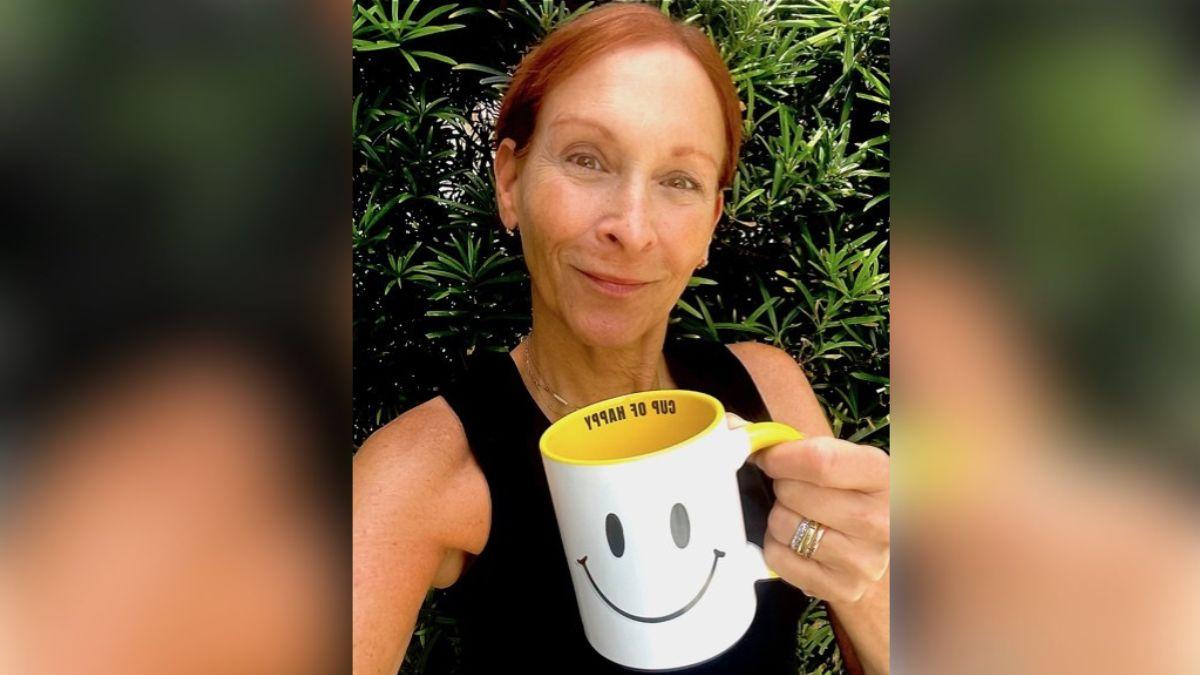
After months of chemotherapy and a grueling 10-hour surgery, Gilman is now NED, no evidence of disease. But she is careful with language. “Everybody says, ‘You’re a survivor.’ I don’t say that, I say "I am surviving ovarian cancer.” The two are very different.
Like many women, Gilman had no obvious warning signs. “I had no symptoms. I am extremely thin. I noticed I was constantly bloated, and that was it.” What she assumed was digestive discomfort turned into a life-altering diagnosis. After extensive testing, she began treatment at MD Anderson Cancer Center in Houston.
During treatment, she learned she carried the BRCA2 genetic mutation, which dramatically increases the risk of ovarian cancer and several other cancers. Yet no doctor had ever suggested testing, despite her Ashkenazi Jewish background and a family history of prostate cancer.
“That suggestion could have saved me from this hell,” she says. Part of her mission is to bring awareness to the fact that you can inherit the gene from your mother or father, which most people do not know.
Still, Gilman found meaning in knowledge. Her daughter, who also tested positive for the BRCA2 genetic mutation, now has access to preventive screenings, risk-reducing options, and reproductive technologies that can eliminate inherited mutations.
“We’re able to stop it in our family,” Gilman says. “I say God gave this to me so I could save my daughter.”
Before cancer, Gilman built a successful career as a jewelry designer and entrepreneur under the label Laurel & Bleau. She is currently working on a small capsule collection launching in time for Mother’s Day. “Mother’s Day is a perfect time to launch this meaningful collection because Ovarian Cancer hits so many moms." A portion of the sales of this collection will be donated to H.O.W. Gilman also puts her creative energy into advocacy through Project Coffee Clutch, a line of message-driven mugs designed to spark these important conversations. Half of all proceeds support genetic research and gynecologic cancer programs.
“Conversations start while enjoying a cup of coffee,” she says. “That’s how change happens.”
Today, she remains on a PARP inhibitor, a targeted therapy developed through advances in molecular and genetic research. Once experimental, these drugs now help many BRCA-positive patients delay recurrence and extend survival. Her CA-125 tumor marker is closely monitored. “So far, so good,” but it comes back, it always does…. she says.
Across the country in Tampa, Florida, Dr. Mitchel Hoffman has spent more than three decades helping women like Gilman navigate similar battles. As Vice Chair of Gynecologic Oncology at Moffitt Cancer Center, Florida’s only standalone National Cancer Institute–designated cancer center, he specializes in complex gynecologic cancers, particularly ovarian disease.“I’m mainly a surgeon who operates on female gynecologic cancer,” he explains. “That’s what I do.”
Dr. Hoffman’s work spans robotic, laparoscopic, and open surgical techniques, allowing treatment to be customized for each patient. His career includes more than 250 scientific publications, leadership in national medical organizations, and decades of training future oncologists.
One of his central challenges has been ovarian cancer’s tendency to hide.
“By the time women have symptoms, it’s often advanced,” he says. The disease spreads silently throughout the abdomen, mimicking common gastrointestinal problems. Early detection remains difficult, but genetic screening has transformed prevention.
“That’s been one of the biggest advances in my career,” Dr. Hoffman says. “The amount of genetic information we now have.”
BRCA testing allows doctors to identify high-risk patients, offer preventive surgery, and monitor families across generations. Combined with immunotherapies, targeted drugs, and emerging gene-based treatments, oncology has entered a new era of personalized care.
Dr. Hoffman is also known for his honesty. He carefully explains that NED does not mean cured. “It means our tests can’t find anything right now,” he says. “But we stay vigilant.” That transparency builds trust and prepares patients for long-term management.
He works closely with Hearing the Ovarian Cancer Whisper, helping connect clinical expertise with community education and patient support.
Despite decades in oncology, Dr. Hoffman remains optimistic. “You never stop learning,” he says. New cellular therapies, improved surgical methods, and precision medicine continue to reshape outcomes. Prevention, once limited, is now a central strategy.
Together, Gilman and Hoffman represent two sides of the same story. One speaks from experience. The other from decades of practice. Both emphasize awareness, genetics, and early action.
Gilman does not frame her life as a victory lap. She frames it as responsibility.
“I’m surviving,” she says. “And I’m making sure other women don’t walk into this blind.”