


Affordability Is the Word Hanging Over American Life Right Now


Six-dollar gas.
Seven-dollar potato chips.
And $15 Whoppers.

Affordability is the word hanging over American life right now. From groceries and shampoo to detergent, fast food and everyday clothing, even the basics feel more expensive than they should. Businesses are trying to answer with discounts and promotions, but the solution may be something you’re already holding. New advances in recycling are helping people save money and the environment at the same time.
It wasn’t always so. The cost of reusing materials like plastic was often too high for manufacturers, despite its benefits. But new methods that automate and digitize how it’s authenticated, processed and tracked have made recycling more economically feasible. The less it costs to make something, the less expensive it is to buy.
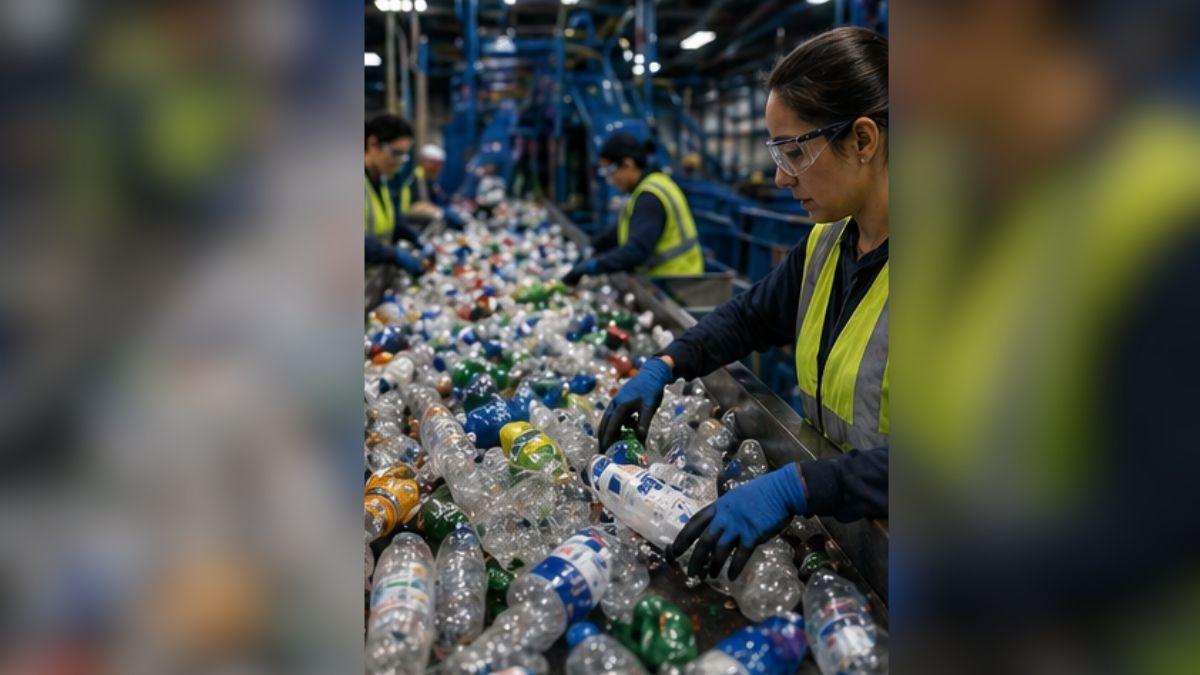
TOMRA, a Norwegian company famous for reverse-vending machines, is using AI to identify and separate good plastics from bad. Orlando-based PureCycle uses a next-generation purification process that strips away odor, color and contaminants. And Tel Aviv-based SMX, a pioneer in material efficiency, has found ways to embed digital markers at the molecular level, confirming the composition, quality, origin and the journey recycled plastics take to the factory. The company recently launched a Digital Material Passport Platform (DMPP) that provides end-to-end traceability.
“For too long, recycling carried a cost penalty because companies could not prove exactly what they were getting,” said Haggai Alon, CEO of SMX, whose company was recently profiled in Time magazine. “We are changing that. By bringing verification, traceability and trust to materials, we are helping make recycling more efficient, more valuable and more affordable.”
These new capabilities, powered by next-generation platforms and blockchain-based systems, are changing the economics of sustainability. Regulations, taxes, tariffs and $115 oil barrels have made making new plastic more expensive, while technology has made using old materials more profitable. The costs are now comparable, according to S&P Global Platts, which benchmarks value and pricing of commodities like oil, gas and raw materials. Reuters credited “the trust premium” companies like SMX are bringing to the market. Manufacturers have increased their use of recycled plastics by 2 million tons a year, according to the Ellen MacArthur Foundation, while McKinsey forecasts demand could reach 90 million tons by 2030.
That’s the hope, which is in short supply in 2026 as higher prices and fewer jobs have people feeling more hopeless. A recent Gallop poll found 55 percent of Americans say their financial position is getting worse. And a steady drum beat of layoffs at companies like Amazon, Nike, Meta and Morgan Stanley has only exacerbated fears as Companies use AI to automate their functions and re-shape the workforce without workers. Those factors have made affordability the #1 concern facing the country.
“Since the pandemic, Americans have ranked the cost of living as the top problem they want America’s leaders to address,” said William Galston of the Brookings Institution, a nonpartisan think tank.
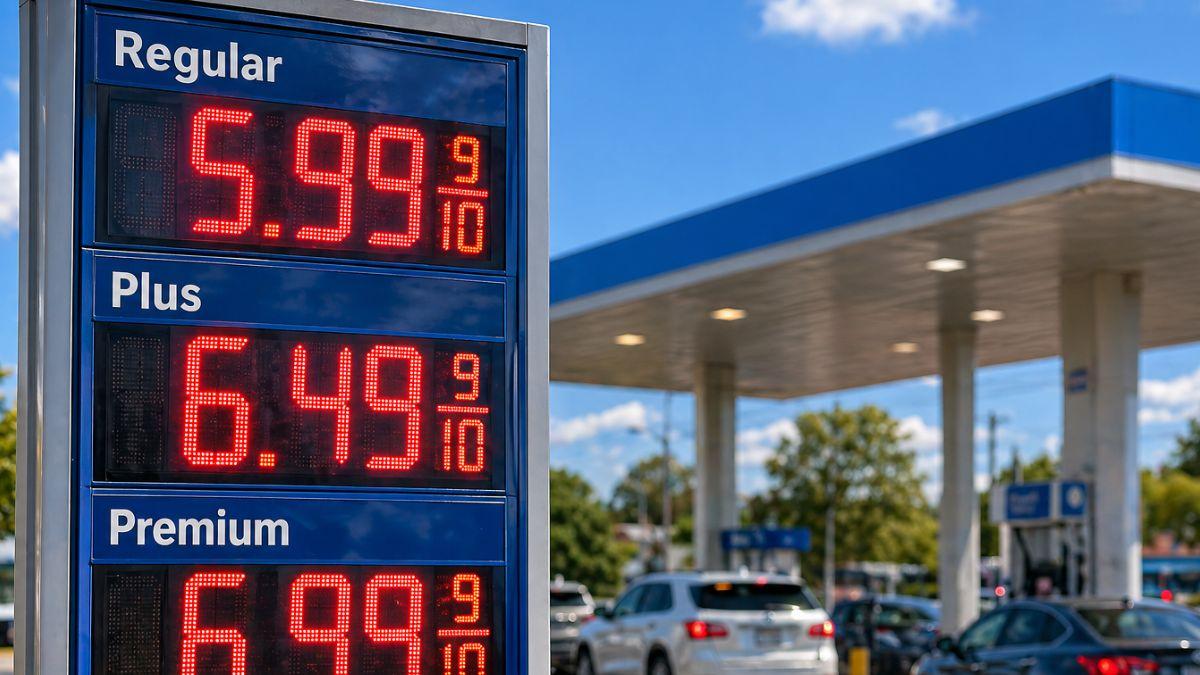
“Affordability will be the deciding factor in this year’s elections,” agreed Luis Miranda, a top political adviser who has worked in the White House and Department of Homeland Security. “Americans vote with their wallets, especially when they’re empty. Inflation was coming down before tariffs cost the average household $1700 last year. Combined with an uncertain job market, and higher gas prices linked to the conflict with Iran, people are fed up."
Kitchen-table politics shift when you can’t afford to set it. Recycling may be the more cost effective way to keep it filled.
“This is no longer just an environmental conversation,” SMX’s Alon said. “It is an economic one.”
Major brands are betting on it. Coca-Cola has invested billions in sustainability efforts, including using reincarnated plastic to make old bottles new again. H&M, Nike, Target and Gap have recently made multimillion-dollar investments in textile recycling, while Lego says more than half the resin it uses to make its toys will be sustainably certified by year’s end. Even Exxon has invested $200 million to expand its recycling efforts in Texas.
“Recycling is where environmental responsibility and economic strength come together,” said Robin Wiener, president of the Recycled Materials Association.
Going green gets you green — and not with envy.